





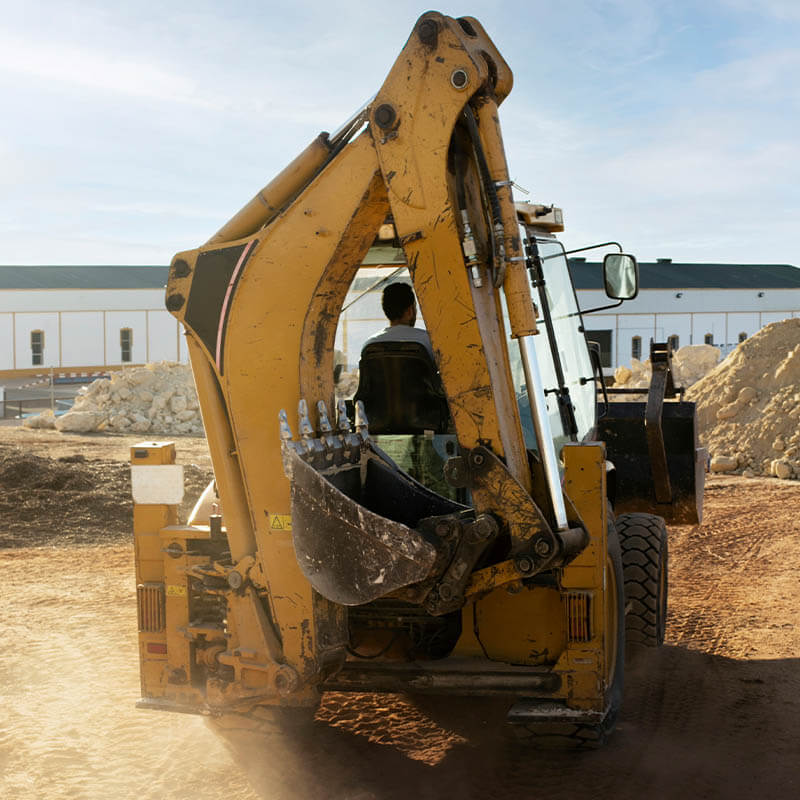
A crane or heavy machinery accident on a Chicago construction site can leave you with serious, life-altering injuries. Chicago crane accident workers’ compensation claims help you cover medical care and lost income, but you may face delays, disputes, or reduced payouts when you file. This guide breaks down the most common causes of these accidents, explains your rights under Illinois law, and shows you how to protect and strengthen your claim.
Why Cranes and Heavy Machinery Fail in the Heat
Chicago summers are brutal. Temperatures regularly climb into the 90s, and on an active construction site, conditions can feel even hotter. Extreme heat does not just affect workers. It puts serious stress on the equipment they depend on every day.
How Heat Causes Equipment Failure
- Hydraulic system overheating: Cranes rely on hydraulic fluid to lift and move heavy loads. In extreme heat, hydraulic fluid can thin out or overheat, causing pressure loss and unpredictable movement.
- Metal expansion: Steel components expand in high temperatures. On crane booms, cables, and joints, this expansion can create stress fractures or cause parts to bind and fail.
- Electrical system failures: Heat degrades wiring insulation and can cause short circuits in control systems, leading to sudden, uncontrolled crane movements.
- Lubrication breakdown: Grease and oil that keep moving parts running smoothly can break down faster in high heat, increasing friction and wear on critical components.
- Tire and track damage on ground equipment: Forklifts, excavators, and other heavy machinery can experience blown tires or track failures when operating on superheated pavement.
What This Means for Workers
When equipment fails without warning, the results can be catastrophic. Workers on or near the equipment may have no time to react. Falls from height, crush injuries, and being struck by a collapsing load are among the most serious outcomes.
Common Injuries in Crane and Heavy Machinery Accidents
Construction equipment accidents tend to produce severe injuries. Some of the most common include:
- Traumatic brain injuries (TBI) from falling debris or being thrown from a platform
- Spinal cord injuries that could result in partial or full paralysis
- Broken bones in the arms, legs, pelvis, or spine
- Crush injuries to the hands, feet, or limbs
- Internal organ damage from being struck by a load or piece of machinery
- Severe lacerations from metal components or cables under tension
- Burns from hydraulic fluid leaks or electrical fires
Many of these injuries require extended hospital stays, multiple surgeries, and months of rehabilitation. Some workers may never return to the same type of work.
Your Rights Under Illinois Workers’ Compensation Law
Illinois law requires most employers to carry workers’ compensation insurance. Under the Illinois Workers’ Compensation Act (820 ILCS 305), if you are injured on the job, you are generally entitled to benefits regardless of who was at fault.
What Workers’ Comp May Cover
- Medical bills: All reasonable and necessary medical treatment related to your injury may be covered, including emergency care, surgery, physical therapy, and prescription medication.
- Temporary total disability (TTD) benefits: If you cannot work while recovering, you may receive a portion of your average weekly wage. In Illinois, this is typically two-thirds of your average weekly wage, tax-free.
- Permanent disability benefits: If your injury results in a lasting impairment, you may be entitled to additional compensation based on the nature and extent of your disability.
- Vocational rehabilitation: In some cases, you could qualify for job retraining if you are unable to return to your previous type of work.
Important Deadlines to Know
Illinois law sets strict time limits on workers’ comp claims. In most cases, you must report your injury to your employer within 45 days. You also have three years from the date of injury, or two years from the last payment of compensation, to file a formal claim with the Illinois Workers’ Compensation Commission (IWCC). Missing these deadlines could cost you your right to benefits entirely.
What to Do After a Crane or Machinery Accident on a Chicago Job Site
The steps you take right after an accident can have a direct impact on your workers’ comp claim.
Steps to Protect Your Claim
- Report the injury immediately. Tell your supervisor or employer as soon as possible. Get it in writing if you can.
- Seek medical attention right away. Do not wait, even if you feel like the injury is minor. Some serious injuries do not show full symptoms right away.
- Document everything. Take photos of the scene, the equipment involved, and your injuries. Get names of any witnesses.
- Keep records. Save all medical bills, treatment notes, and any communication from your employer or their insurance company.
- Be careful what you say to insurance adjusters. Insurance companies may try to get you to make statements that minimize your injury or suggest you were at fault.
At Illinois Workers’ Comp Lawyers, we know the tactics insurance companies use to minimize payouts, and we’re here to help you fight back. Our construction worker injury attorneys represent injured workers across Chicago and throughout Cook County and surrounding areas.
Can You File a Third-Party Lawsuit in Addition to Workers’ Comp?
In some crane accident cases, a party other than your direct employer may share responsibility for your injury. This could include:
- The crane manufacturer, if a defective part caused the failure
- A maintenance company that improperly serviced the equipment
- A general contractor who failed to enforce heat safety protocols
- A property owner who knew about unsafe conditions and did nothing
When a third party’s negligence contributed to your accident, you may be able to file a personal injury lawsuit in addition to your workers’ comp claim. This could allow you to recover compensation for pain and suffering, which workers’ comp alone does not cover. An attorney can help you evaluate whether this option applies to your situation.
Talk to a Chicago Construction Accident Workers’ Comp Attorney
A crane or heavy machinery accident can turn your life upside down in an instant. You should not have to fight the insurance company on your own while you are trying to heal.
We’ll guide you through the process, from filing your claim to negotiating with insurance adjusters and representing you in court if necessary. No upfront costs, no hidden fees. We only get paid when you do.
Our goal is simple: to secure the maximum compensation you’re entitled to so you can focus on what truly matters, your recovery.
If you or someone you know was hurt in a construction equipment accident in Chicago or anywhere in the surrounding Illinois counties, contact us today for a free consultation.
Frequently Asked Questions
What should I do if I’m injured in a crane accident on a Chicago job site?
Report the injury to your employer right away, seek medical treatment, document the scene and your injuries, and contact a workers’ compensation attorney as soon as possible. Do not give a recorded statement to the insurance company without legal advice.
Can I file a workers’ comp claim if equipment failure caused my injury in Illinois?
Illinois workers’ compensation is a no-fault system. You do not have to prove your employer was negligent. As long as you were injured in the course of your employment, you may be eligible for benefits
Does heat actually cause crane and heavy machinery failures on construction sites?
Extreme heat can place additional stress on heavy machinery by affecting hydraulic systems, lubrication, electrical components, and other equipment systems. When combined with poor maintenance or existing wear, these conditions may contribute to equipment malfunctions. OSHA provides guidance on heat-related workplace hazards, and equipment manufacturers typically publish operating and maintenance recommendations for high-temperature conditions.
How much compensation can I get for a construction equipment accident in Cook County?
Every case is different. The value of your claim depends on the severity of your injuries, how long you are unable to work, whether you have a permanent disability, and other factors. An attorney can help you understand what your specific claim may be worth.

